How Privacy Protocols Shape Bonus Eligibility Across Digital Game Categories in Quebec Platforms
Dana Fischer · Oct 25, 2026
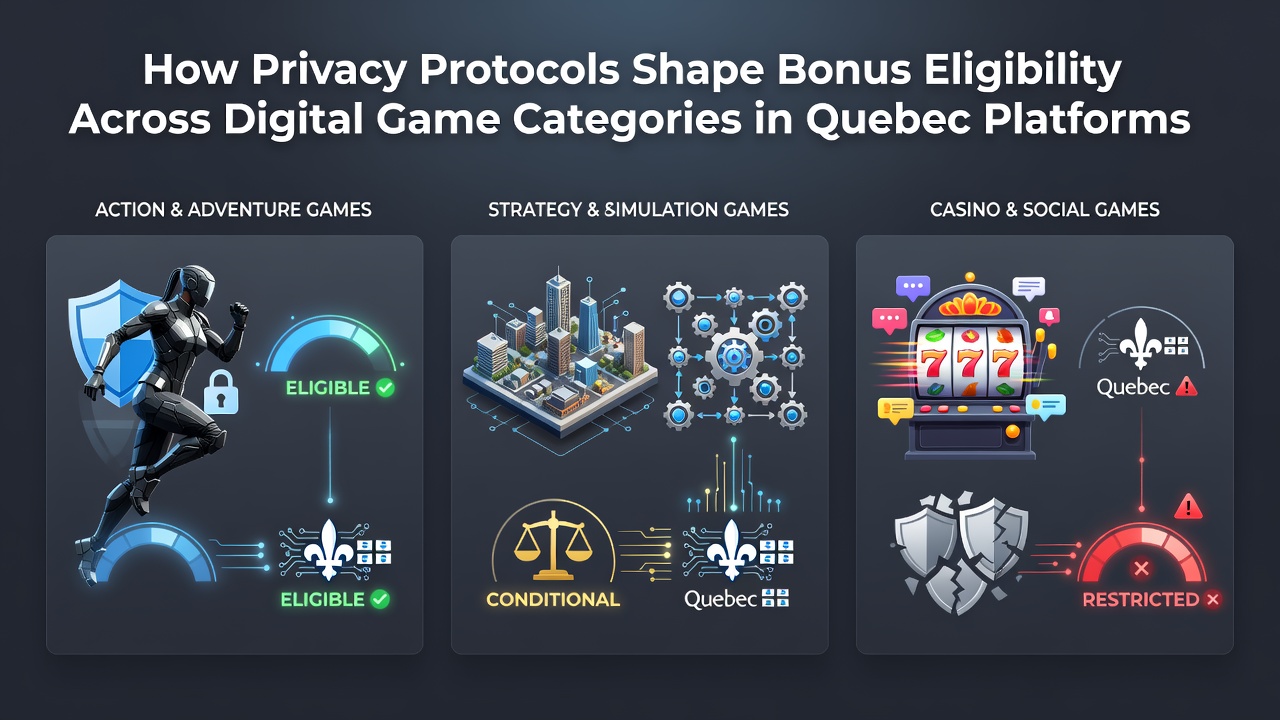
How Privacy Protocols Shape Bonus Eligibility Across Digital Game Categories in Quebec Platforms
Quebec's regulated digital gaming environment requires platforms to align bonus systems with strict privacy frameworks that govern data collection and user consent, and these rules create distinct eligibility pathways depending on the game category involved. Operators must secure explicit permissions before tracking wagering activity for bonus qualification, yet the technical demands of that tracking differ sharply between slots, video poker, live dealer tables, and skill-based formats because each category generates unique data profiles that fall under provincial oversight.
Quebec Privacy Framework and Bonus Tracking Requirements
Provincial legislation updated through 2026 mandates that any platform offering promotional credits must obtain granular consent for the storage and processing of play data, and this consent process directly determines whether a player can unlock or maintain bonus status. In October 2026 authorities released new guidance clarifying how operators should segment consent requests by game type, which prompted several major Quebec sites to revise their bonus terms so that slots players receive one set of data-sharing prompts while table game participants encounter another. The adjustments reflect the fact that slot machines produce high-volume, automated transaction logs that require continuous monitoring, whereas blackjack or roulette sessions generate lower-frequency but more complex hand-by-hand records that raise separate consent thresholds.
Game Category Differences in Data Handling
Slots and video poker fall under automated random-number-generator protocols that log every spin or hand in real time, and privacy rules require platforms to flag these logs for bonus eligibility calculations only after users have accepted specific tracking clauses. Table games and live dealer offerings, by contrast, incorporate manual dealer actions and player decisions that produce richer metadata, which means eligibility for associated bonuses often hinges on additional layers of consent related to session recording and third-party verification. Research from Canadian gaming associations shows that platforms enforcing differentiated consent flows report higher completion rates for bonus activation in slots categories than in live table environments, largely because the latter demand more detailed disclosures about data retention periods.
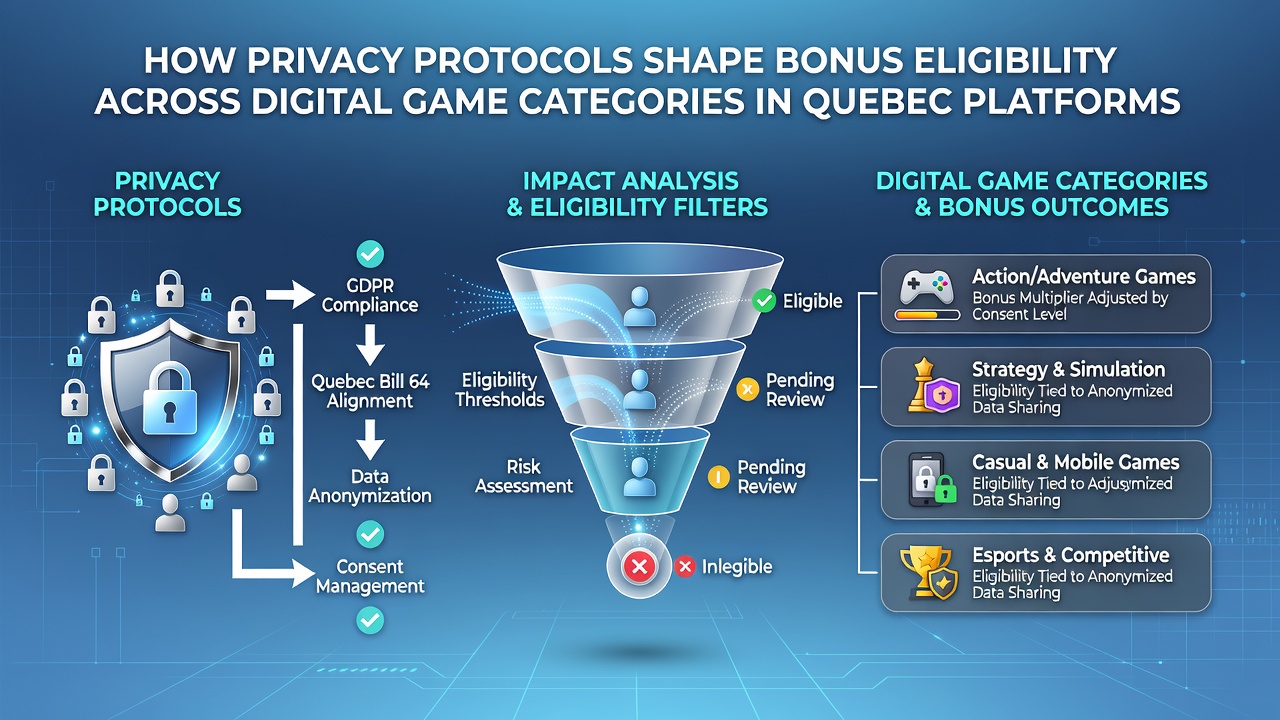
Observers note that poker rooms operating within Quebec platforms face yet another layer of complexity because hand histories contain strategic information that could indirectly identify player behavior patterns. Privacy protocols therefore compel operators to offer players the option to exclude specific hand data from bonus calculations without forfeiting eligibility entirely, and this flexibility appears less frequently in slot-based promotions where aggregate spin counts alone determine qualification. Data compiled by regulatory bodies indicates that such granular controls have become standard practice since mid-2026, when revised privacy directives took effect across the province.
Regulatory Updates and Platform Adaptations in 2026
By October 2026 several Quebec-licensed operators had introduced unified dashboards that let users toggle consent settings for each game category before any bonus period begins, and these interfaces emerged in response to enforcement actions that penalized platforms for bundling consent across unrelated game types. The changes align with broader Canadian efforts to standardize data practices, while drawing on models already tested in other jurisdictions such as those outlined in reports from the Australian Communications and Media Authority. Platforms that adopted the segmented approach recorded measurable shifts in bonus redemption patterns, with video poker categories showing the largest increase in opt-in rates after users gained separate control over their hand-history data.
Eligibility Pathways and Compliance Outcomes
Bonus eligibility now follows a two-stage process in which initial consent must cover the specific game category, and subsequent play data must match the consented parameters before any promotional funds or free spins are awarded. Operators that fail to maintain clear separation between categories risk having bonus claims rejected during routine audits, and figures released by provincial oversight bodies in late 2026 confirmed a rise in such compliance reviews. Players who navigate these pathways successfully often discover that slots promotions activate more readily once basic spin-tracking consent is granted, while live dealer bonuses require an extra confirmation step tied to session recording agreements.
Conclusion
Privacy protocols continue to define the boundaries of bonus eligibility across Quebec's digital game categories by requiring distinct consent mechanisms that match the data characteristics of each format. Slots, video poker, table games, and poker rooms each generate different information footprints that regulators treat separately, and platforms have responded by building category-specific tracking systems that satisfy both provincial rules and user expectations. As October 2026 guidance becomes fully integrated, the relationship between privacy settings and promotional access grows more precise, shaping how players across Quebec platforms qualify for and retain bonuses in every game type.